"Move It Over There."
What visual merchandising taught me about storytelling, strategy, and seeing spaces differently.
It started with a simple suggestion.
"Move it over there."
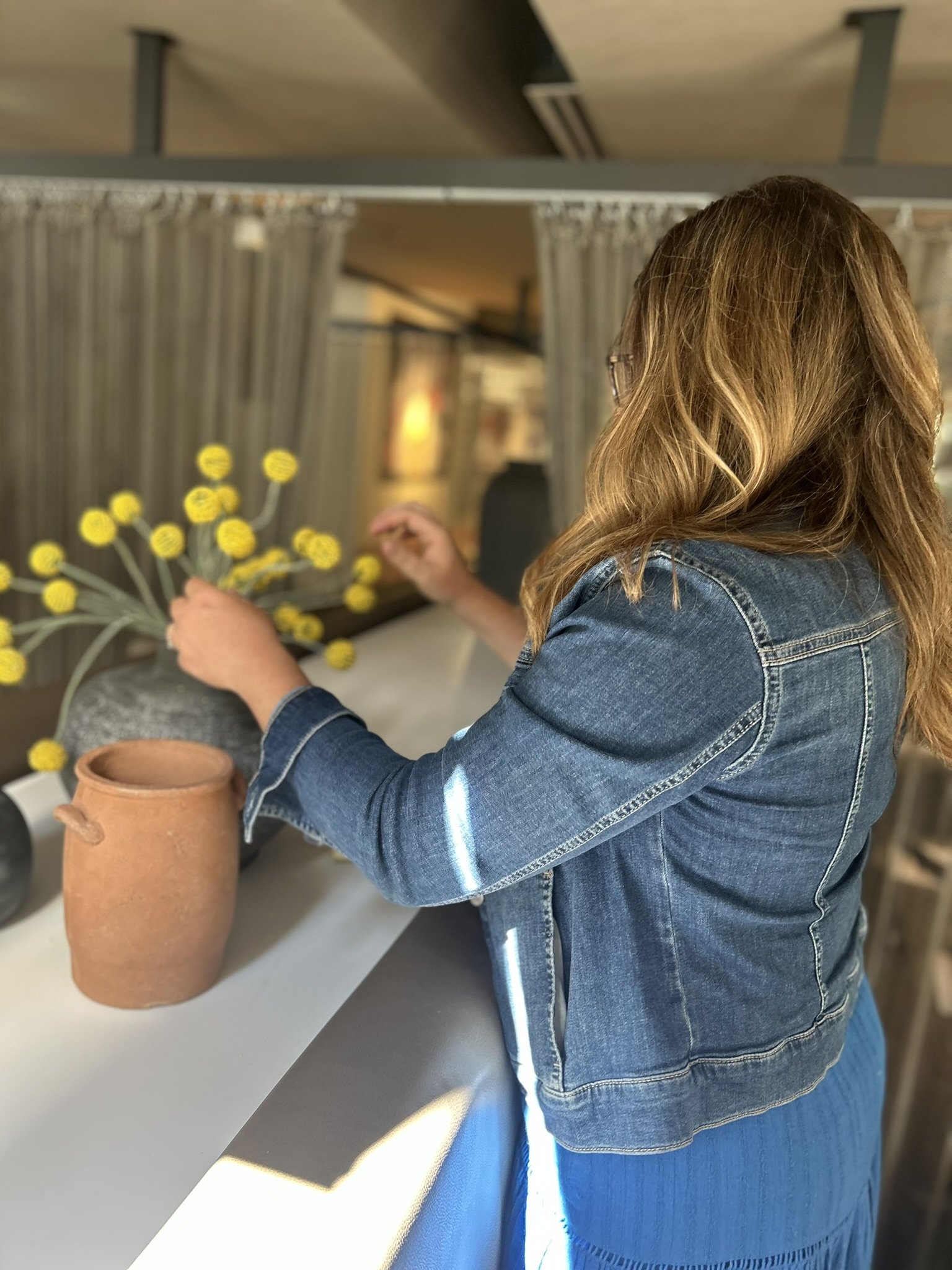
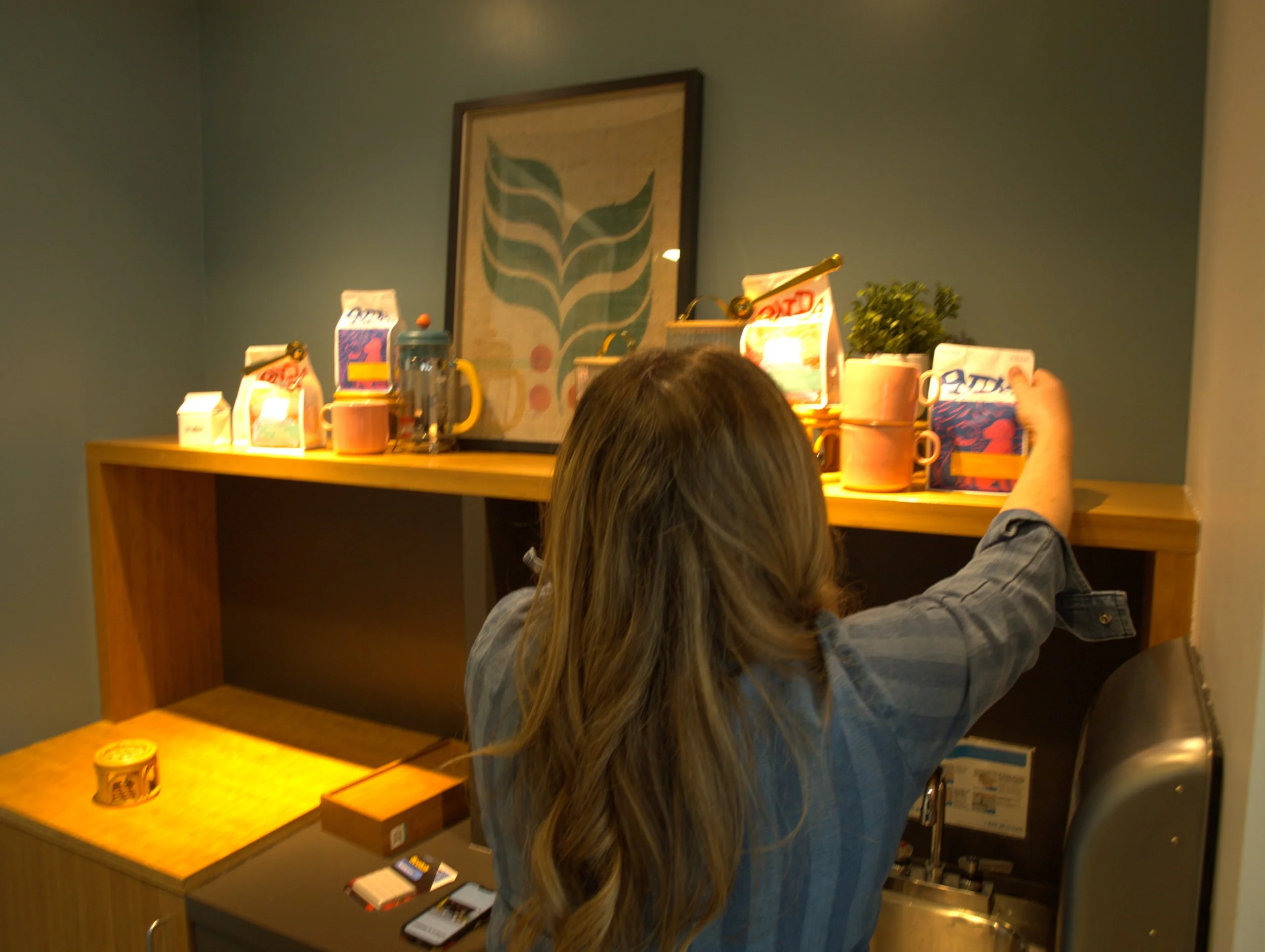
At my very first retail job, I helped with a seasonal floorset. We rearranged tables, shifted fixtures, layered in color, and created new moments throughout the store. Nothing about the products themselves had changed.
But customers noticed.
Products that had been sitting untouched suddenly started selling. Displays people had walked past before became destinations. That was the moment I fell in love with visual merchandising.
It wasn't just decorating a store. It was telling a story without saying a word.
The Challenge: Creating Spaces That Speak
One of my favorite things about visual merchandising is that it communicates before anyone ever says hello.
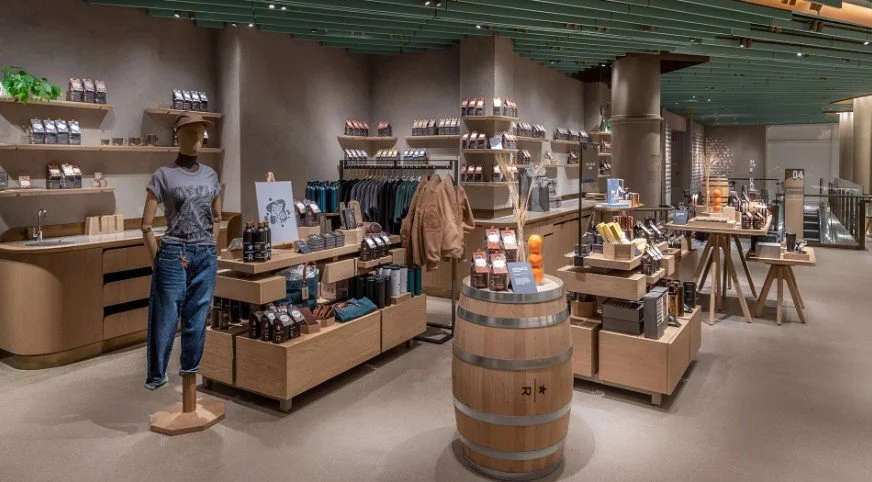
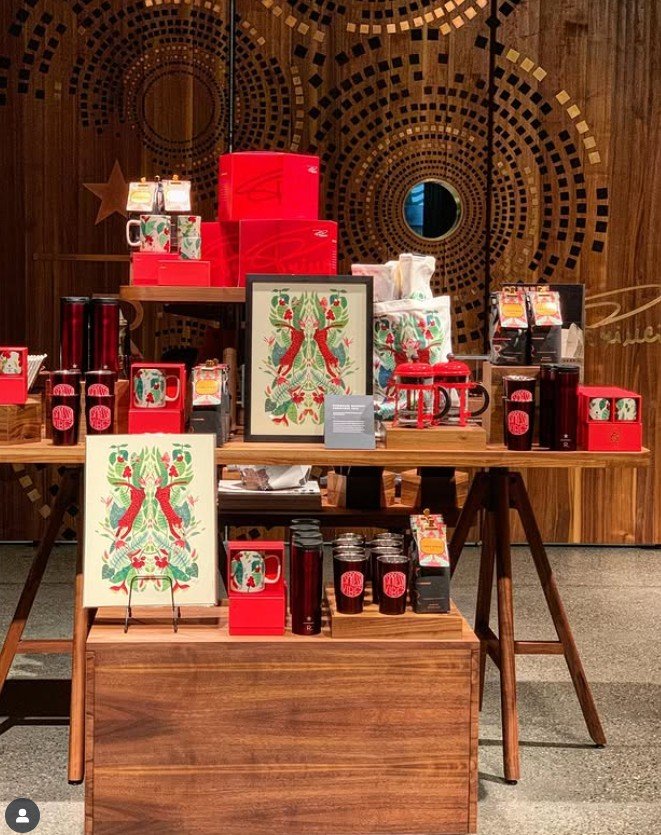
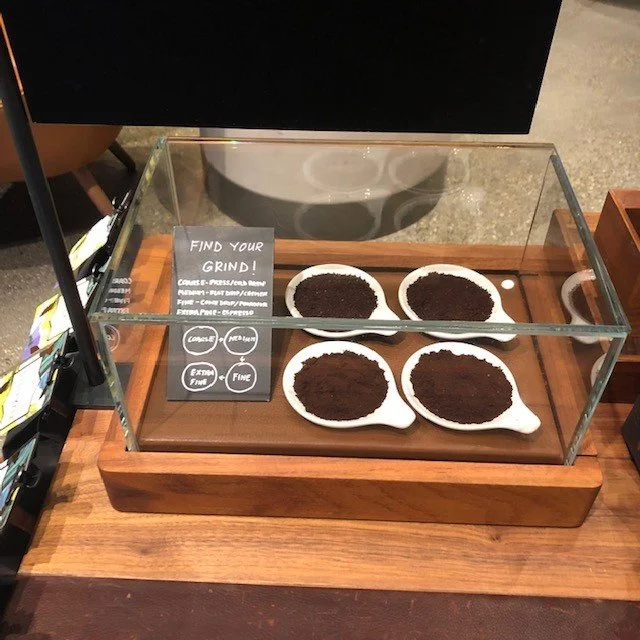
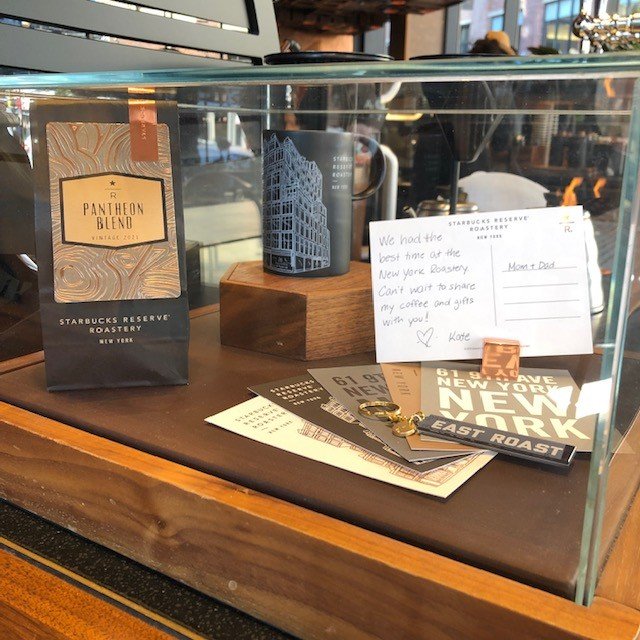
A thoughtfully merchandised space can feel welcoming and inviting. It can introduce a new collection, highlight a hero product, or quietly encourage someone to discover something they weren't planning to buy.
Sometimes the goal is to stop someone in their tracks.
Sometimes it's to guide them effortlessly through a space.
The best merchandising does both with intention.
The Process: Equal Parts Art and Strategy
People often think visual merchandising is about making things look pretty.
While that's certainly part of it, great merchandising is also functional, modern, timeless, eye-catching, and maintainable. Every display has to work for the customer, the team maintaining it, and the business behind it.
For me, it's like solving a puzzle.
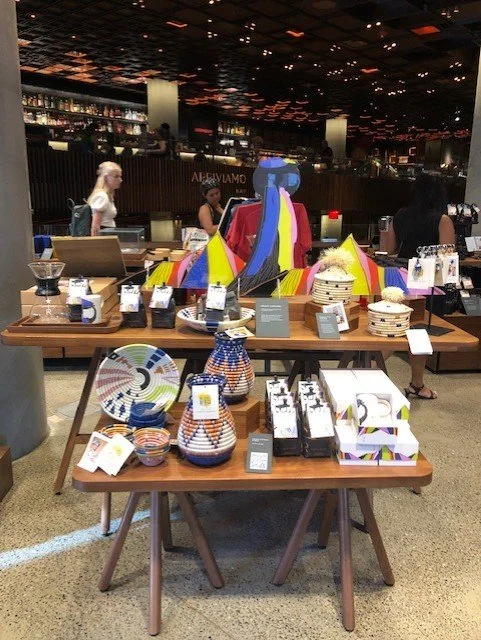
How do scale, color, texture, and lighting work together?
Where should the customer's eye go first?
Where should it pause before moving to the next moment?
Depending on the goal, how do you balance inspiration with shoppability?
Some of my favorite design principles are surprisingly simple:
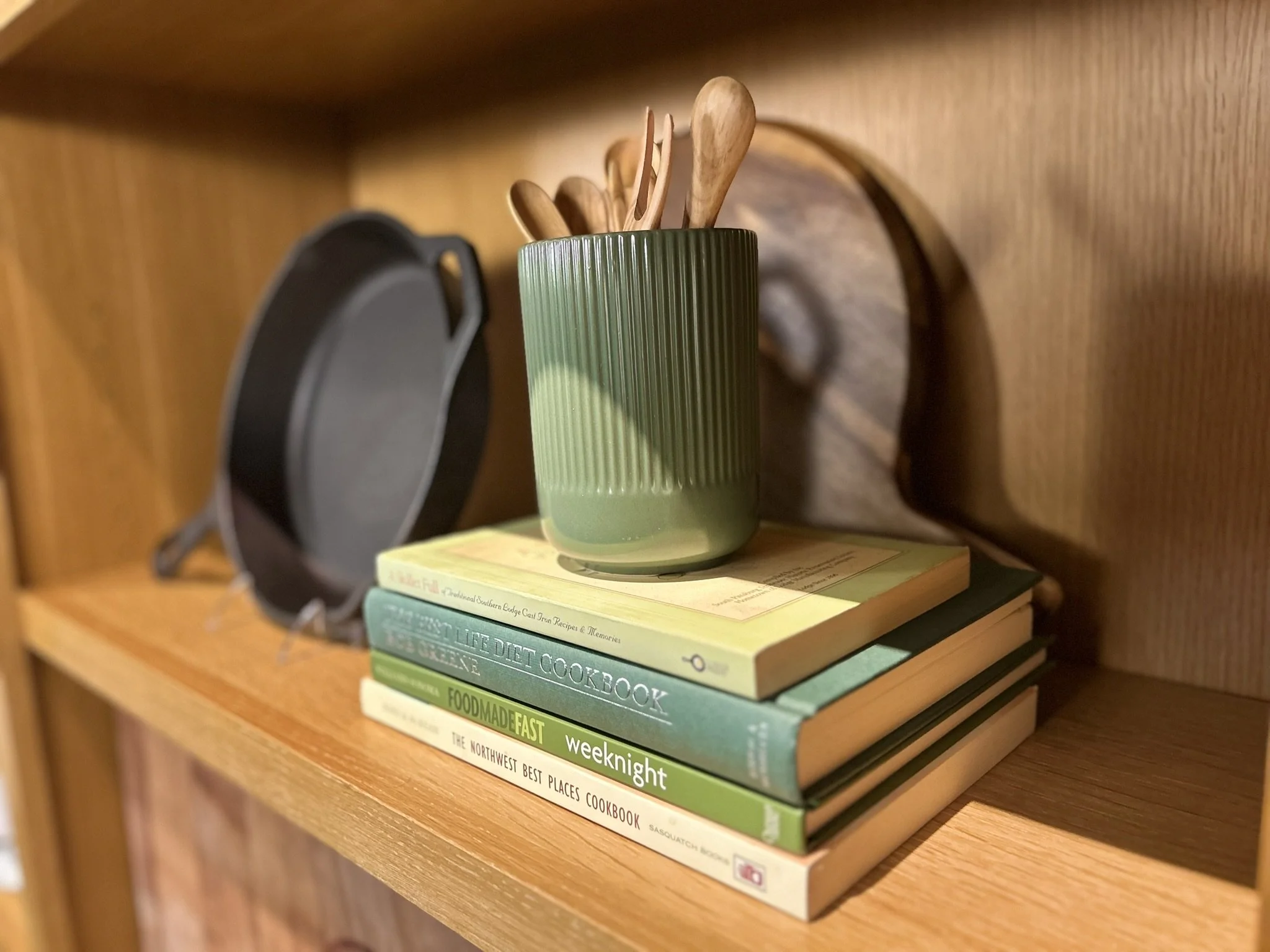
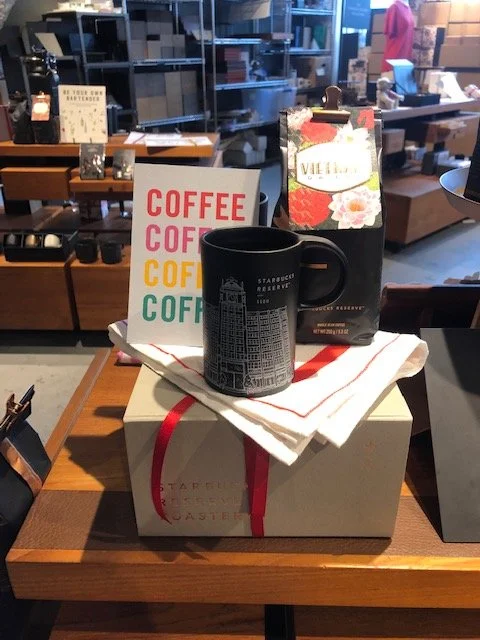
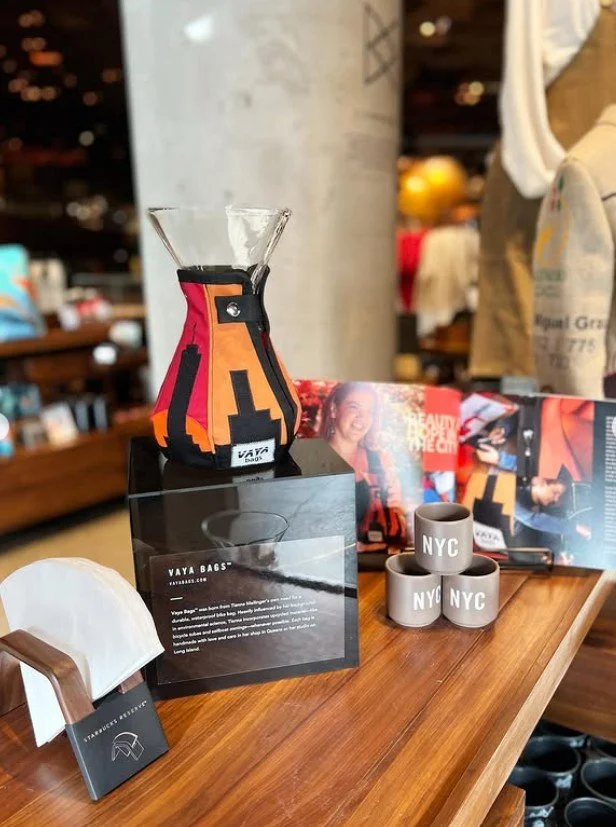
The rule of three creates natural balance and keeps displays feeling intentional.
Pyramid compositions guide the eye through varying heights and create visual interest.
Negative space gives customers a place for their eyes to rest, making featured products stand out even more.
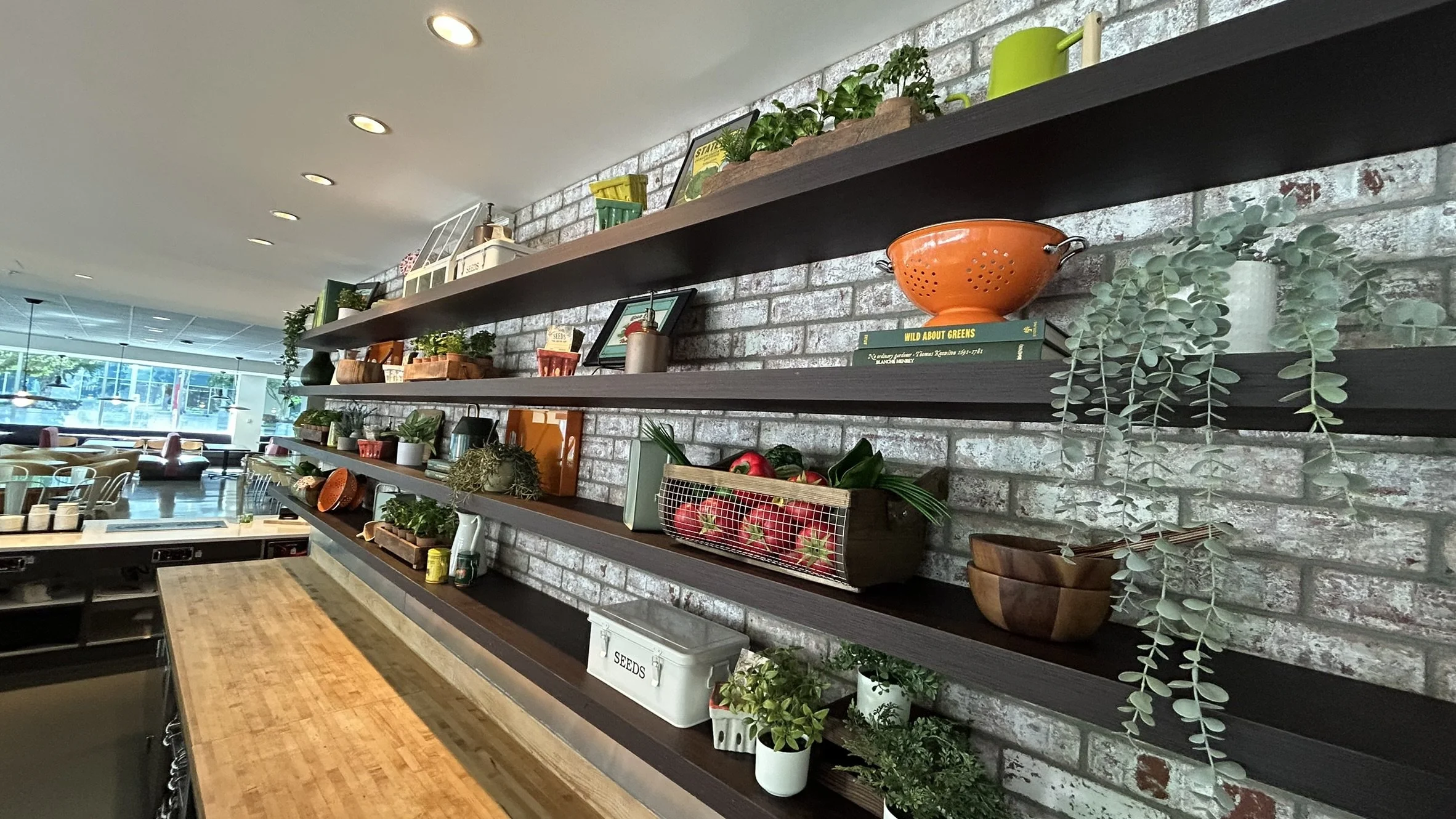
Layering color, texture, and proportion creates depth that invites people to explore.
Each decision is small on its own.
Together, they completely change how someone experiences a space.
The Impact: Silent Storytelling
What I love most is that visual merchandising tells stories without asking for attention.
It creates experiences people feel before they can explain why.
It can make a store feel energetic or calming. Luxurious or approachable. Seasonal or timeless.
And when it's done well, customers don't think about the merchandising at all.
They simply enjoy being there.
What I Learned: Design with Intention
That first floorset showed me something I'll never forget.
Moving products isn't just moving products.
It's influencing how people discover, shop, and connect with a brand.
Visual merchandising has remained one of my favorite creative outlets because it blends creativity with strategy. Every display is an opportunity to solve a problem, tell a story, and create an experience that feels effortless.
Even today, whenever I walk into a beautifully merchandised space, I still find myself studying every detail.
Because sometimes the most powerful stories are the ones that never have to be spoken.